
Can Glutathione Help With Aging, Wrinkles, or Skin Health? A Science-Supported Deep Dive
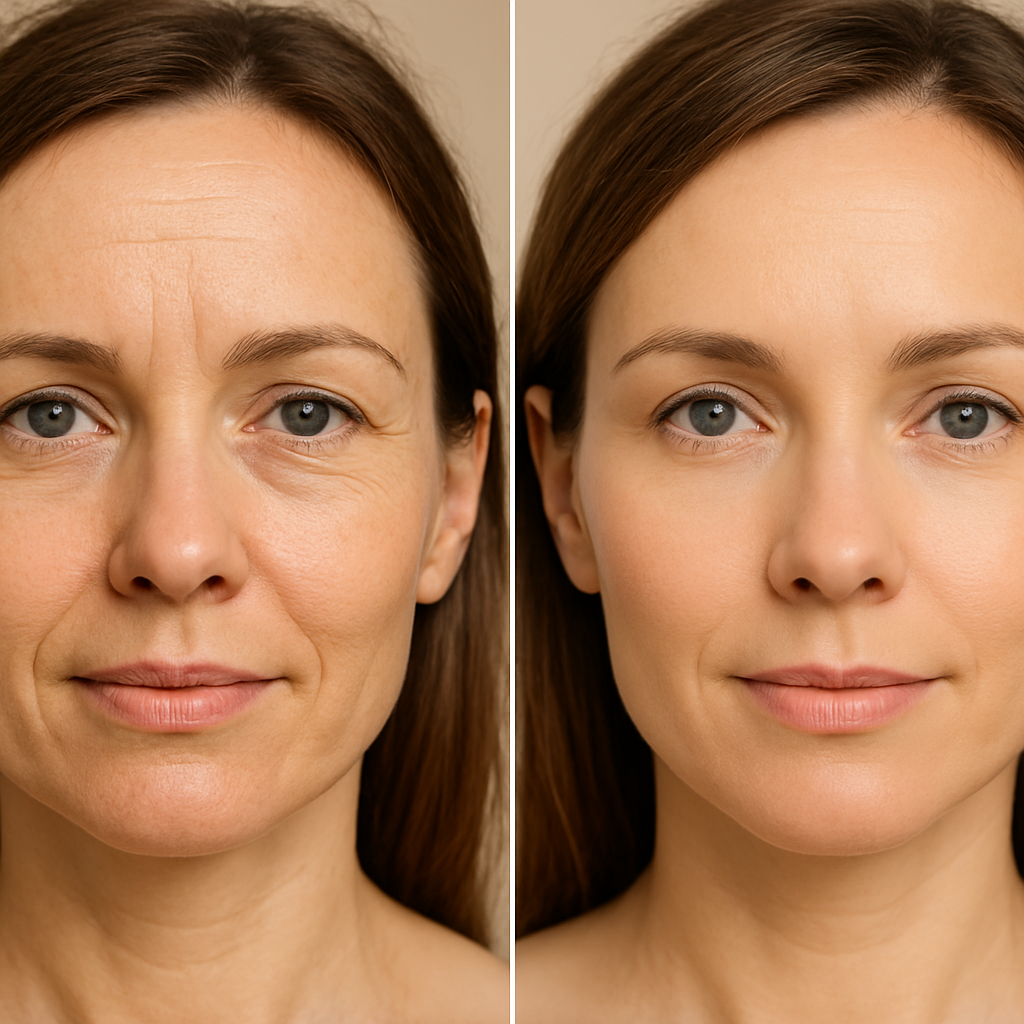
If you follow skincare trends, beauty influencers, or wellness forums, you’ve probably noticed that glutathione is everywhere — supplements, IV drips, “brightening” products, and even anti-aging protocols. Some people call it the “master antioxidant,” while others say it’s the missing link in maintaining youthful, radiant skin.
But what does the science tell us?
Can glutathione actually improve skin, slow visible aging, or help with wrinkles?
Let’s take a research-supported, easy-to-understand look at what glutathione is, how it works, and what the evidence says about its role in skin health — plus practical ways to support glutathione naturally.
What Exactly Is Glutathione?
Glutathione (GSH) is a small molecule made in your cells from three amino acids: cysteine, glycine, and glutamate. It’s present in almost every cell of your body and plays a central role in:
- Neutralizing free radicals
- Supporting detoxification
- Boosting immune resilience
- Repairing cellular damage
- Maintaining mitochondrial (energy) health
- Regulating inflammation
You can think of glutathione as your body’s internal guardian, constantly protecting cells from everyday stressors: UV rays, pollution, toxins, poor sleep, alcohol, emotional stress, and normal aging.
This is important because many signs of skin aging—wrinkles, dullness, sagging, uneven tone—are driven by oxidative stress and the weakening of the skin barrier over time.
How Glutathione Affects Skin Health
1. It Reduces Oxidative Stress (the Root of Skin Aging)
Wrinkles and skin aging aren’t caused only by time — they’re caused by oxidative damage that breaks down collagen, elastin, and lipids in your skin.
Glutathione helps combat:
- UV-induced damage
- Environmental toxins
- Inflammation that breaks down collagen
- Free radicals that contribute to wrinkles and dark spots
Higher glutathione levels = stronger antioxidant defense = healthier, more resilient skin.
2. It Supports Brighter, Clearer Skin
Glutathione interacts with the pathways that control skin pigmentation. While not a bleaching agent, it:
- Reduces oxidative stress that triggers melanin overproduction
- Supports a more even skin appearance
- Helps address dullness and discoloration caused by inflammation
- Encourages a healthier balance between eumelanin and pheomelanin
Many people notice that when their internal antioxidant levels improve, their complexion looks brighter and more “awake.”
3. It Protects Collagen and Elastin
Collagen and elastin are the proteins that keep your skin firm, smooth, and plump. UV exposure, stress, aging, and toxins accelerate their breakdown.
Glutathione helps defend the fibroblasts (collagen-producing cells) from:
- Free radical damage
- Toxin buildup
- Chronic low-grade inflammation
By protecting these cells, glutathione supports the skin’s structure and may slow the development of fine lines and wrinkles.
4. It Helps With Recovery and Redness
Inflamed, stressed, or irritated skin has one thing in common: elevated oxidative stress.
Glutathione supports:
- Faster skin recovery after sun exposure
- Reduced redness from oxidative triggers
- Calmer, less reactive skin
- Improved moisture barrier resilience
This is why so many people with reactive or sensitive skin feel better when their internal glutathione levels are supported.
Check out this article on How Long Glutathione Takes To Work!
Why Glutathione Levels Drop as You Age
This is one of the biggest reasons glutathione has become so popular in anti-aging wellness.
Starting in your 20s (and accelerating every decade), your natural glutathione levels decline due to:
- Stress
- UV exposure
- Sleep deprivation
- Environmental pollutants
- Medications
- Poor diet
- Normal aging
- Chronic inflammation
By your 40s–60s, you may be making significantly less glutathione — which increases susceptibility to:
- Wrinkles
- Slower healing
- Uneven skin tone
- Texture changes
- Thinner skin
- Increased oxidative stress
This is also why antioxidant-rich diets and supplements can make a noticeable difference as you age.
Can Glutathione Actually Improve Wrinkles?
Glutathione isn’t Botox, and it won’t physically “freeze” muscles or erase deep lines.
But research suggests it can support the upstream processes that keep skin looking youthful:
- Protecting collagen from UV and oxidative damage
- Supporting healthy skin turnover
- Improving barrier function
- Reducing free-radical-induced aging
- Supporting hydration and elasticity indirectly
In other words:
Glutathione helps keep the environment inside your skin healthier, which over time contributes to smoother, brighter, and more youthful-looking skin.
How to Increase Glutathione Naturally
You can’t rub glutathione on your skin and expect much change — its real power comes from inside the cell.
Here are proven ways to support glutathione production:
1. Boost Cysteine Intake (The Limiting Factor)
Your body can only make glutathione if it has enough cysteine, the most important building block.
Foods naturally high in cysteine include:
- Whey protein
- Eggs
- Poultry
- Yogurt
- Sunflower seeds
- Legumes
This is why whey protein isolates (like Immunocal) are clinically recognized for raising glutathione levels — they supply bonded cysteine that your cells can actually use.
2. Support Your Liver
Because your liver produces and recycles glutathione, you can support it by:
- Reducing alcohol
- Eating cruciferous vegetables
- Increasing hydration
- Minimizing processed foods
3. Reduce Things That Drain Glutathione
Daily habits can deplete glutathione quickly:
- Poor sleep
- Excess stress
- High sugar intake
- Chronic inflammation
- Smoking
- Excessive UV exposure
Balancing these helps conserve your body’s natural antioxidant stores.
4. Consider Glutathione-Boosting Supplements
Instead of taking glutathione directly (which is poorly absorbed and unstable), many people choose:
- Whey protein isolates rich in bonded cysteine
- NAC (N-acetyl-cysteine)
- Alpha-lipoic acid
- Vitamin C
- Selenium
These support your body’s natural glutathione production instead of trying to replace it.
Why Whey-Based Cysteine Precursors (Like Immunocal) Are Effective
Immunocal is one of the most studied natural glutathione precursors in clinical literature. It’s a specialized whey protein isolate designed to deliver bonded cysteine, which is difficult to get from regular foods.
Studies show Immunocal may help:
- Raise intracellular glutathione levels
- Support immune function
- Reduce oxidative stress
- Improve recovery after stress or illness
- Support healthy aging
And because glutathione plays such a deep role in maintaining skin integrity, many people notice improvements in:
- Brightness
- Texture
- Resilience
- Recovery
- Radiance
when their internal levels are supported consistently.
So… Can Glutathione Help With Aging and Skin Health?
Short answer: Yes — through indirect but powerful mechanisms.
Glutathione won’t erase your wrinkles overnight, but it does strengthen the foundation of your skin by:
- Protecting cells from oxidative stress
- Reducing inflammation
- Supporting collagen-producing cells
- Helping maintain youthful cellular function
- Defending against environmental damage
If you want radiant, healthy, resilient skin as you age, supporting your internal glutathione levels is one of the most effective long-term strategies.
Where to Buy Glutathione-Supporting Products
For science-backed glutathione support, you can explore the full collection of options at:
This includes Immunocal and other wellness products designed to help your body naturally raise and maintain healthy glutathione levels.

Leave a Reply